National Fruit of Nepal: Mandarin Orange (Suntala) – Complete Guide
National Fruit of Nepal:
Mandarin Orange (Suntala) 🍊
The first and only officially declared national fruit in Nepal’s history — a complete guide
The national fruit of Nepal is the Mandarin Orange — locally known as Suntala (also called Junar). It was officially declared by Nepal’s Council of Ministers on April 12, 2024 (Chaitra 30, 2080 BS). Nepal had no official national fruit before this historic decision. The orange was chosen for its widespread cultivation across 42 districts, its role in supporting over 700,000 farming families, and its unique growth in Nepal’s Himalayan mid-hills at 1,000–1,500m altitude.
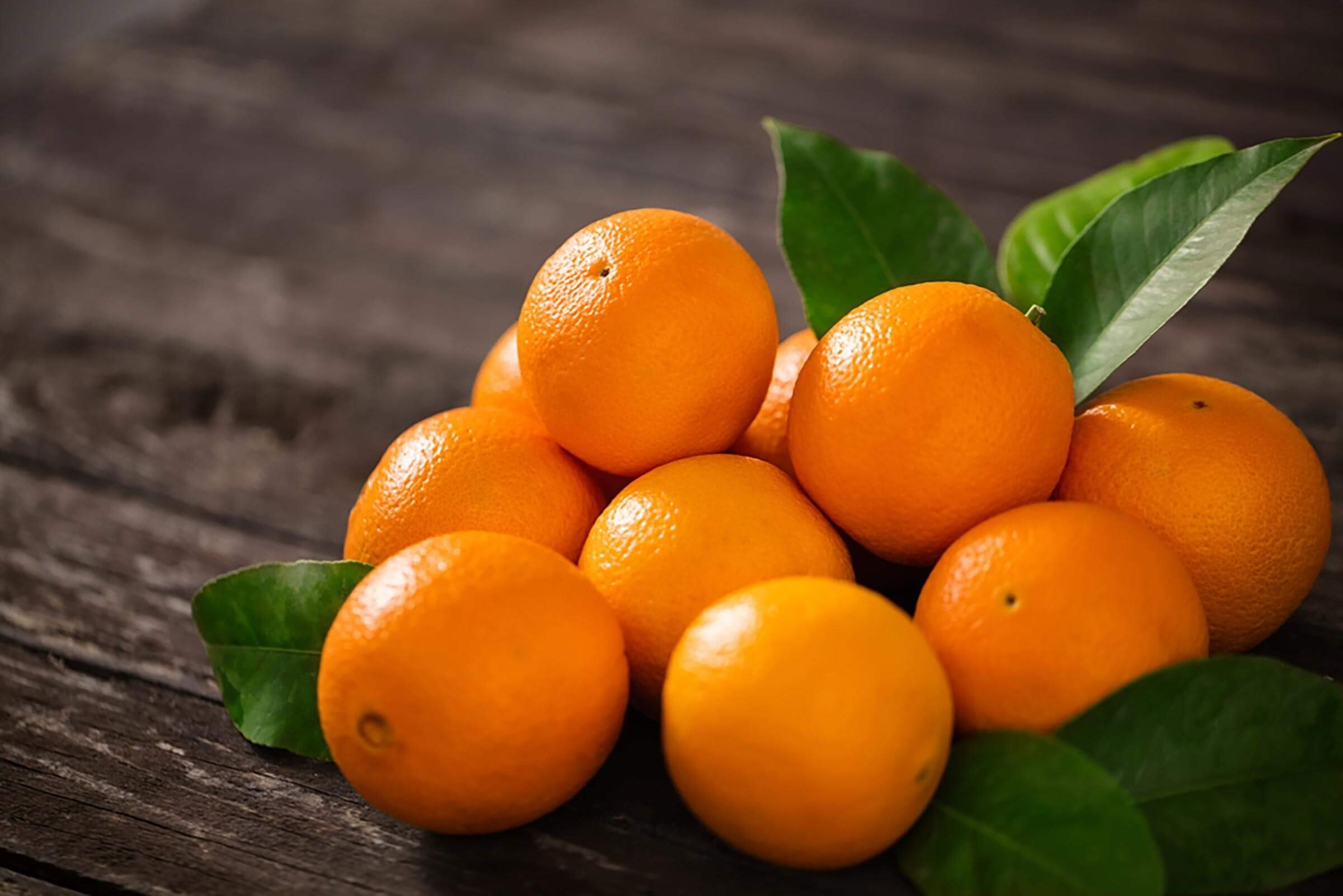
Suntala (Mandarin Orange) — Nepal’s official national fruit, growing in the mid-hills of Nepal. Image: nationalfruit.thenepal.io
What is the National Fruit of Nepal?
Nepal is a land of extraordinary diversity — from the towering Himalayas to the lush Terai plains. Nestled between these extremes, the gentle mid-hill slopes produce one of the most beloved fruits in South Asia: the Mandarin Orange, known locally as Suntala (सुन्तला) or Junar.
On April 12, 2024 (Chaitra 30, 2080 BS), the Government of Nepal made history. In a landmark decision, the Council of Ministers officially declared the Mandarin Orange as Nepal’s national fruit — making it the first and only fruit to ever hold this title in the country’s history.
This was not a random choice. The decision followed rigorous research by the National Agriculture Genetic Resources Center (Genebank) and a formal proposal from the Ministry of Agriculture and Livestock Development. The Suntala earned its crown through economic significance, cultural heritage, geographical identity, and nutritional value.
| Official Name | Mandarin Orange (Suntala / Junar) |
| Nepali Name | सुन्तला (जुनार) |
| Scientific Name | Citrus reticulata |
| Declared On | April 12, 2024 (Chaitra 30, 2080 BS) |
| Declared By | Council of Ministers, Government of Nepal |
| Announced By | Minister Rekha Sharma (Ministry of Communication & IT) |
| Proposal From | Ministry of Agriculture and Livestock Development |
| Research By | National Agriculture Genetic Resources Center Genebank |
| Cultivation Altitude | 1,000 – 1,500 metres (mid-hills) |
| Harvest Season | October to January |
| Top Province | Gandaki Province |
| Export Markets | India, Bangladesh, Gulf Countries |
The Official Declaration: How It Happened
For decades, Nepal was one of the few countries without an officially declared national fruit. While neighbours like India had the Mango and Bangladesh had the Jackfruit, Nepal’s agricultural identity remained symbolically undefined at the national level.
Various fruits were informally associated with Nepal — mango in the Terai, lapsi in the hills — but none had official government recognition. That changed in 2024.
No Official National Fruit
Nepal had no officially designated national fruit. Mango and Lapsi were sometimes cited informally but neither held any government recognition or legal status.
National Genebank Research
The National Agriculture Genetic Resources Center Genebank submitted a formal research-backed proposal to the Ministry of Agriculture and Livestock Development recommending Mandarin Orange as the national fruit.
Minister’s Public Announcement
Agriculture Minister Jwala Kumari Sah publicly announced the government’s intention to declare orange as the national fruit, stating: “I am in the process of getting it passed by the Council of Ministers.”
🎉 Official Declaration — A Historic First
The Council of Ministers officially declared Mandarin Orange (Suntala) as Nepal’s national fruit. Minister for Communication Rekha Sharma made the announcement publicly. Nepal became the first time in history to have an officially declared national fruit.
National Branding & Agro-Tourism Growth
Tanahun district recorded Rs 425 million in orange sales. Syangja reached Rs 1.12 billion. Agro-tourism programs launched across Myagde, Devghat, and Shuklagandaki. Exports with “National Fruit” branding began commanding premium prices internationally.
Why Was Orange Chosen as Nepal’s National Fruit?
The decision was not symbolic — it was data-driven. The Mandarin Orange stood above all other fruits on every metric that mattered: geography, economy, culture, nutrition, and export potential.
Unique Himalayan Geography
The Mandarin Orange thrives exclusively at Nepal’s mid-hill altitude of 1,000–1,500m — a climate zone unique to the Himalayan foothills. Cool nights and warm days create its distinctive sweetness. No other fruit represents this Nepali geography so precisely.
Economic Powerhouse
With Rs 30.6 billion in annual turnover and over 700,000 farming households depending on it across 42 districts, Suntala is Nepal’s single most economically significant cultivated fruit.
Nutritional Champion
One Suntala provides over 100% of the daily Vitamin C requirement. In rural hill communities with limited healthcare access, it serves as a critical seasonal health staple during winter months.
Cultural Heritage
Suntala is woven into Nepali winter culture — offered at festivals, gifted as a gesture of hospitality, and piled in vibrant orange pyramids at every hillside market from October to January.
Export Identity
National fruit status gives Nepali oranges a powerful brand label for export to India, Bangladesh, and Gulf markets — helping smallholder farmers access premium international prices.
Science-Backed Selection
The decision was backed by formal research from Nepal’s National Agriculture Genetic Resources Center Genebank — making it one of the most thoroughly documented national symbol declarations in Nepal’s history.
❓ Is Lapsi the national fruit of Nepal? No. Lapsi (Choerospondias axillaris) has never been the official national fruit of Nepal. While Lapsi is culturally significant — used in pickles and Dashain sweets — it was never formally declared. The Mandarin Orange (Suntala), declared in April 2024, is the one and only official national fruit.
Orange Production in Nepal: Province-wise Data (2024/25)

Nepal produced an estimated 211,779 metric tons of Mandarin Orange across 27,892 hectares in the 2024/25 season. Gandaki Province leads all provinces in both area under cultivation and total production.
| Province | Area (ha) | Production (MT) | Yield (MT/ha) | Key Districts |
|---|---|---|---|---|
| Koshi | 5,612 | 64,824 | 11.55 | Dhankuta, Bhojpur, Ilam |
| Madhesh | 285 | 1,854 | 6.50 | Sarlahi, Dhanusa |
| Bagmati | 2,845 | 26,510 | 9.32 | Dhading, Kavre |
| 🏆 Gandaki | 5,703 | 66,578 | 11.67 | Syangja, Tanahun, Gorkha |
| Lumbini | 2,415 | 27,652 | 11.45 | Gulmi, Palpa |
| Karnali | 1,480 | 16,235 | 10.97 | Dailekh, Salyan |
| Sudurpashchim | 860 | 8,126 | 9.45 | Doti, Dadeldhura |
| 🇳🇵 Total Nepal | 27,892 ha | 211,779 MT | 11.03 | 42 districts |
Source: Ministry of Agriculture & Livestock Development (MoALD), Preliminary Reports 2024/25
Top Orange-Producing Districts
Health Benefits of Nepal’s Suntala Orange
Beyond its economic and cultural significance, the Suntala is a nutritional powerhouse. This is one reason the government chose it over other fruits — its health benefits are directly relevant to rural Nepal where Vitamin C deficiency can be a seasonal concern.
100%+ Daily Vitamin C
One Suntala exceeds your full daily Vitamin C requirement — boosting immunity and skin health.
Superior Hydration
Over 85% water content makes Suntala one of the best natural hydration sources in winter.
Heart Health
Rich in flavonoids and carotenoids that support cardiovascular health and reduce inflammation.
Digestive Health
High fiber content aids healthy digestion and supports a balanced gut microbiome.
Immune Booster
Natural antioxidants make it a powerful seasonal shield against cold-weather infections.
Natural Energy
Natural sugars provide quick energy without the spike of processed sweets — perfect for farmers and trekkers.
Orange Agro-Tourism in Nepal
The national fruit declaration has supercharged a growing agro-tourism movement in Nepal’s mid-hills. Visitors can now combine Nepal’s famous trekking and cultural tourism with immersive orange orchard experiences.
🌄 Visit Nepal’s Orange Country
The best time to visit is October to January — when the hillsides blaze orange with ripening fruit and the harvest is in full swing.
- 🍊 Tour orchards and pick fresh Suntala directly from trees
- 👨🌾 Meet farming families and learn traditional cultivation techniques
- 🏘️ Stay in village homestays surrounded by orange groves
- 🏔️ Combine with Pokhara city visits and Devghat pilgrimage
- 🛶 Add Seti River rafting or Annapurna trekking to the itinerary
- 🛒 Buy directly at farm-gate prices — 20–30% cheaper than Kathmandu retail
Top agro-tourism regions: Syangja · Tanahun · Kaski · Myagde · Devghat · Shuklagandaki
Cultural Significance of Suntala in Nepal
Ask any Nepali about the smell and taste of winter, and they will describe Suntala. The orange is not merely a fruit in Nepal — it is a sensory memory of the cold season, festivals, and family gatherings.
During Tihar, Chhath, and winter market days, Suntala appears in abundance — stacked in pyramids at roadside stalls, offered in temples, and gifted between neighbours. In hill communities, bringing a bag of fresh Suntala when visiting someone’s home is as natural as bringing flowers in other cultures.
The golden-orange colour of the fruit has also become visually synonymous with Nepal’s hillside autumn — those terraced slopes draped in orange from October onwards are among the most photographed landscapes in the country.
For Nepali diaspora around the world, Suntala carries the taste of home — the smell of a hillside orchard, the chill of a Pokhara winter morning, the warmth of a family kitchen.
नेपालको राष्ट्रिय फल: सुन्तला (जुनार) 🍊
नेपाल सरकारको मन्त्रिपरिषद् बैठकले वि.सं. २०८० चैत ३० गते (अप्रिल १२, २०२४) मा सुन्तलालाई नेपालको राष्ट्रिय फल घोषणा गरेको हो। यो नेपालको इतिहासमा पहिलो पटक कुनै फललाई राष्ट्रिय फलको दर्जा दिइएको हो।
सुन्तला नेपालका ४२ जिल्लामा उत्पादन हुन्छ। यसले ७ लाखभन्दा बढी किसान परिवारलाई रोजगारी दिन्छ र वार्षिक रू. ३०.६ अर्बको कारोबार हुन्छ। सुन्तला नेपालको पहाडी क्षेत्रमा समुद्र सतहबाट १,०००–१,५०० मिटर उचाइमा राम्रोसँग फल्छ। अक्टोबर देखि जनवरी सम्म यसको टिप्ने मौसम हो।
🌿 Planning a Trip to Nepal?
Visit Nepal’s orange country between October and January to experience the harvest firsthand. Syangja, Tanahun, and Dhankuta offer incredible agro-tourism experiences — and the freshest Suntala you’ll ever taste.
Frequently Asked Questions
What is the national fruit of Nepal?
The national fruit of Nepal is the Mandarin Orange, locally known as Suntala (सुन्तला) or Junar. It was officially declared by Nepal’s Council of Ministers on April 12, 2024 (Chaitra 30, 2080 BS). It is the first and only officially declared national fruit in Nepal’s history.
When was orange declared the national fruit of Nepal?
Orange was officially declared Nepal’s national fruit on April 12, 2024 (Chaitra 30, 2080 BS). The decision was made by the Council of Ministers based on a proposal from the Ministry of Agriculture and Livestock Development, backed by research from the National Agriculture Genetic Resources Center Genebank.
Is Lapsi the national fruit of Nepal?
No, Lapsi is not the national fruit of Nepal. Lapsi (Choerospondias axillaris) is a culturally important fruit used in Nepali pickles and sweets, but it has never been officially declared a national symbol. The official national fruit is the Mandarin Orange (Suntala), declared in April 2024.
What is Suntala called in English?
Suntala is the Nepali name for Mandarin Orange (scientific name: Citrus reticulata). In some parts of Nepal it is also called Junar. In English it is commonly called Mandarin Orange or Tangerine.
Where is orange grown in Nepal?
Oranges are grown across 42 districts in Nepal, primarily in the mid-hills at altitudes of 1,000–1,500 metres. The top producing province is Gandaki. Major producing districts include Syangja, Tanahun, Dhankuta, Ilam, Gorkha, Gulmi, Kaski, Parbat, and Sindhuli. The harvest season runs from October to January.
What was Nepal’s national fruit before 2024?
Nepal had no officially declared national fruit before April 2024. The Mandarin Orange (Suntala) is the first and only fruit to ever hold this title. Mango and Lapsi were sometimes informally mentioned, but neither had any government recognition or official status.
Why was orange chosen over mango or other fruits?
Orange was chosen because it is uniquely suited to Nepal’s mid-hill geography (1,000–1,500m altitude), supports the most farming households (700,000+), generates the highest agricultural turnover (Rs 30.6 billion/year), has deep cultural significance in Nepali winter life, and has strong export potential. The selection was science-backed by the National Genebank — making it a data-driven decision, not just symbolic.
Last updated: May 2026 · Source: Ministry of Agriculture & Livestock Development (MoALD), Rising Nepal Daily, myRepublica · nationalfruit.thenepal.io