Best Time to Visit Pokhara: Weather, Seasons & Travel Tips
Pokhara is one of those places in Nepal that feels magical almost any time of year. Calm lakes, dramatic mountain backdrops, adventure sports, and a relaxed vibe make it a favorite for both first-time visitors and repeat travelers.
But still, many people ask one important question before planning their trip:
What is the best time to visit Pokhara?
Short answer: October to November and February to April are the best months for clear mountain views, pleasant weather, and outdoor activities.
That said, every season in Pokhara has something unique to offer.
Let’s break it down in a simple, local-friendly way so you can decide the best time for you.
Read More : Ultimate Guide to Pokhara
Pokhara Weather Overview
Pokhara has a subtropical climate, meaning it stays relatively mild compared to Kathmandu or higher mountain regions.
- Summer: Warm and humid
- Monsoon: Rainy and lush green
- Winter: Cool mornings, clear skies
- Spring & Autumn: Best balance of weather and views
Because Pokhara sits at a lower altitude (around 822 m), it’s comfortable year-round, but visibility and rainfall vary a lot by season.
Best Time to Visit Pokhara – Quick Month Guide
| Months | Season | Why Visit |
|---|---|---|
| Oct – Nov | Autumn | Clear skies, best mountain views, festivals |
| Feb – Apr | Spring | Pleasant weather, flowers, paragliding |
| Dec – Jan | Winter | Peaceful, clear mornings, fewer crowds |
| Jun – Sep | Monsoon | Lush greenery, waterfalls, budget travel |
Autumn (October to November): Best Overall Time
If you ask locals or experienced travelers, most will agree—autumn is the best time to visit Pokhara.
Why autumn is perfect:
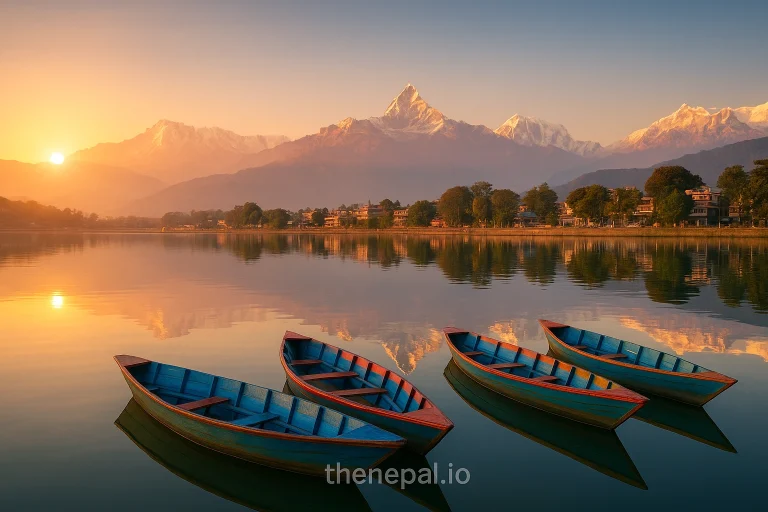
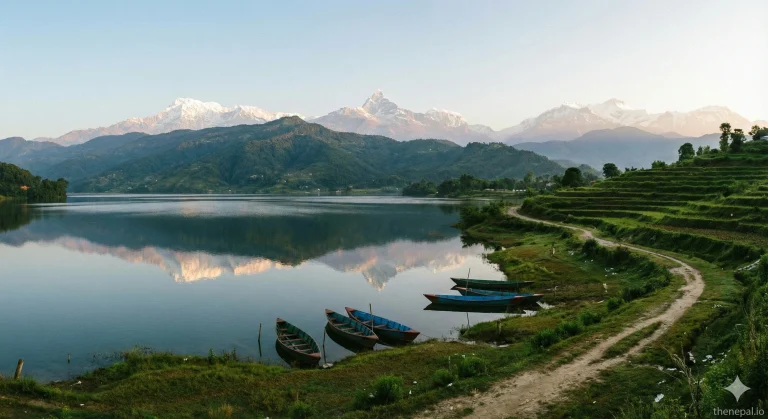
- Crystal-clear views of Annapurna, Machhapuchhre, and Dhaulagiri
- Ideal temperatures (15°C–25°C)
- Best season for trekking and paragliding
- Major festivals like Dashain and Tihar
Local tip: Wake up early and visit Sarangkot for sunrise. Autumn mornings offer postcard-perfect views.
Downside:
This is peak season, so hotels and flights can be slightly expensive.
Spring (February to April): Nature at Its Best
Spring is another excellent time, especially if you love mild weather and colorful landscapes.
Highlights:
- Rhododendron forests in bloom
- Comfortable temperatures (16°C–28°C)
- Great for boating on Phewa Lake
- Perfect for photography and short treks
Best time for paragliding: February to April offers stable weather and smooth flights.
Things to note:
Late April can get slightly hazy, but still very enjoyable.
Read More : Adventure Activities in Pokhara — Paragliding, Zipline & Ultralight
Winter (December to January): Calm & Clear
Winter in Pokhara is underrated.
Why visit in winter:
- Clear skies in the morning
- Less crowded Lakeside area
- Cheaper hotels and tours
- Peaceful atmosphere
Mountain views: Early mornings are stunning, especially after a cold night.
Challenges:
- Mornings and nights can be cold (as low as 5°C)
- Not ideal for swimming or late-night outdoor activities
Monsoon (June to September): Green but Wet
Monsoon transforms Pokhara into a lush green paradise.
Pros:
- Waterfalls at full power (Devi’s Fall looks amazing)
- Fewer tourists
- Lower prices on hotels and tours
- Beautiful countryside views
Cons:
- Heavy rain
- Limited mountain visibility
- Occasional landslides on highways
Best for: Budget travelers, writers, digital nomads, and nature lovers who don’t mind rain.
Read More : Top 10 places to visit in Pokhara
Best Time to Visit Pokhara by Activity
Paragliding
- Best: October–November, February–April
- Avoid: Heavy monsoon months
Trekking
- Best: Autumn & Spring
- Possible: Winter (lower altitude treks)
- Risky: Monsoon (slippery trails)
Boating on Phewa Lake
- Best: October to April
- Romantic sunset rides: Spring & autumn evenings
Photography
- Best light & clarity: October–November
- Green landscapes: July–August
Seasonal Packing Tips
Autumn & Spring
- Light jacket
- Comfortable walking shoes
- Sunglasses & sunscreen
Winter
- Warm layers
- Gloves & cap for early mornings
- Moisturizer (air gets dry)
Monsoon
- Rain jacket or poncho
- Waterproof shoes
- Insect repellent
How to Avoid Crowds & Save Money
- Travel during late January or early February
- Book flights and hotels mid-week
- Visit viewpoints early morning
- Choose guesthouses slightly away from Lakeside center
Festivals to Plan Around
- Dashain (Oct): Biggest Hindu festival
- Tihar (Nov): Festival of lights
- Teej (Aug/Sept): Cultural experience, especially for photography
Read More : Hidden Gems of Pokhara: Offbeat Places Only Locals Know
How Many Days Are Enough for Pokhara?
- 2 days: Lakeside, boating, sunrise view
- 3–4 days: Paragliding, World Peace Pagoda, caves
- 7+ days: Short treks like Poon Hill or Mardi Himal
When is the best time to visit Pokhara for mountain views?
Late September to early December offers the clearest skies and sharp mountain visibility.
Is Pokhara worth visiting during the monsoon?
Yes, if you enjoy greenery, fewer crowds, and budget travel—but expect rain and limited views.
Which months are best for paragliding in Pokhara?
October–December and February–April are ideal due to stable weather conditions.
What should I pack for Pokhara in winter?
Warm layers, a jacket, good walking shoes, and a camera for clear morning views.
Can I trek from Pokhara year-round?
Lower-altitude treks are possible year-round, but spring and autumn are safest.
How many days should I spend in Pokhara?
Ideally 3–4 days, longer if you plan trekking.
Final Verdict: When Should You Visit Pokhara?
- Photographers & trekkers: October–November
- Nature lovers & couples: February–April
- Peace seekers & budget travelers: December–January or monsoon
- Adventure seekers: Spring & autumn
No matter when you go, Pokhara has a way of slowing you down and making you fall in love with Nepal’s natural beauty.
Planning your trip?
Tell us which month you’re visiting Pokhara, and we’ll suggest a perfect itinerary for you.
Read More : Pokhara Travel Guide 2026: Must-Visit Places, Best Time